
The American Flag Skull, originating as a symbol of rebellion, has evolved to represent liberty and national pride. Hand-painted on fabric, it adorns homes and public spaces, addressing social justice issues while honoring heritage. As a form of artistic protest, its display is protected by the First Amendment, with guidelines for responsible use. This powerful symbol blends patriotism and individualism, fostering community engagement through banners in public spaces. Its global impact spans various causes, showcasing adaptability and enduring appeal. Source responsibly from reputable sellers to maximize positive impact.
In recent years, the display of symbolic imagery has become a powerful tool for expressing political views, particularly on public platforms. Among these symbols, the American flag skull stands out as a bold statement advocating for freedom and individual rights. However, navigating this expression can be contentious, raising concerns about cultural sensitivity and societal norms. This article explores how to support freedom responsibly through the display of an American flag skull banner, offering practical insights while respecting diverse perspectives. We aim to provide a comprehensive guide that empowers individuals to make informed choices, fostering open dialogue and a deeper understanding of symbolic representation in our society.
- Understanding American Flag Skull Display: Historical Significance
- Legal Framework: Protecting Freedom through Banner Laws
- Creative Expression: Designs and Customization Ideas
- Public Spaces: Permits, Locations, and Community Engagement
- Cultural Impact: Global Perspective on Skull Banners
Understanding American Flag Skull Display: Historical Significance
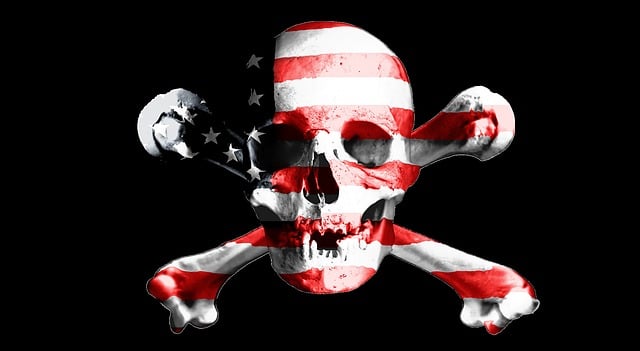
The display of a skull incorporated into the American flag, often seen as American flag skull wall hangings or memorial items, has evolved from a symbol of rebellion to a powerful statement of individual liberties and national pride. This unique blend of macabre and patriotism has its roots in historical events that have shaped the nation's identity. The image, when meticulously hand-painted onto fabric, becomes an artistic representation that transcends its mere aesthetic appeal, carrying layers of symbolism and cultural significance.
Historically, such displays emerged during periods of social unrest and political upheaval as a form of anti-establishment protest. In the late 1960s and early 1970s, for instance, counterculture movements adopted the American flag skull as a symbol of rebellion against societal norms and government authority. This period saw the creation of hand-painted banners featuring a skull superimposed on the stars and stripes, often accompanied by phrases advocating for freedom and anarchy. These protest flags were a visible manifestation of the youth movement's desire for change and their opposition to the Vietnam War and social inequality.
Today, while the original intent of these displays may have shifted, the American flag skull continues to evoke a strong emotional response. Hand-painted versions, often crafted with meticulous detail, serve as both artistic expressions and reminders of the nation's enduring fight for liberty and justice. They adorn homes, businesses, and public spaces, symbolizing individualism, patriotism, and the right to challenge societal norms when necessary. This modern interpretation respects the historical context while allowing contemporary individuals to connect with their heritage in a personal way.
Legal Framework: Protecting Freedom through Banner Laws
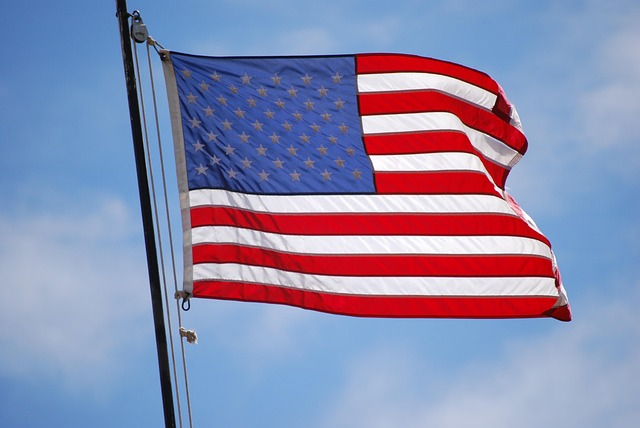
The display of symbolic imagery has long been a powerful tool for expressing political views and advocating for change. In the United States, where freedom and expression are cherished values, the use of the American Flag Skull painting replica as a form of artistic protest has gained significant attention. This unique fusion of symbolism—combining the iconic American flag with a skull design—serves as a powerful statement on various issues, from social justice to political dissent. Online shops like Ultimate Flags have played a pivotal role in making these visually striking items more accessible to those who wish to express their views openly.
In terms of legal framework, the right to display such imagery is protected under the First Amendment of the U.S. Constitution, which guarantees freedom of speech and expression. However, it's important to navigate this freedom responsibly. The American Flag Skull face painting, for instance, has sparked debates due to its intense visual impact. While individuals are free to create and display these replicas, there are certain guidelines to consider. One key aspect is the context in which they are shown; public spaces and official events may have stricter regulations compared to personal property or private gatherings. As previously mentioned, online platforms offer a vibrant marketplace for these artistic expressions, allowing artists and enthusiasts to connect and share their creations while adhering to legal boundaries.
Practical advice for those interested in displaying American Flag Skull artwork includes familiarizing themselves with local laws and seeking permission when necessary. This ensures that the display remains peaceful and respectful, avoiding potential legal repercussions. Additionally, being mindful of cultural sensitivities surrounding such imagery is crucial, as different perspectives may exist within diverse communities. Ultimately, the responsible use of these powerful symbols can contribute to a vibrant democratic discourse while honoring the spirit of American freedom.
Creative Expression: Designs and Customization Ideas
The display of patriotic symbols has long been a powerful means of fostering community and expressing individual identity. Among these symbols, the American Flag Skull has emerged as a unique and eye-catching statement, blending the iconic imagery of both countries. This design, seamlessly merging the stars and stripes with a skull motif, serves as a bold declaration of freedom and individualism. Creative expression takes center stage when individuals personalize their displays, transforming an ordinary banner into a captivating narrative.
One innovative approach involves custom cut American Flag Skull designs, allowing for intricate and precise artistry. Online platforms like Ultimate Flags cater to this desire for customization, offering print-on-demand services that bring unique visions to life. Customers can opt for elaborate sketches or minimalist renditions, all while preserving the striking contrast between the vibrant flag and dark skull imagery. This level of personalization not only satisfies individual aesthetic preferences but also fosters a deeper connection to one's heritage. For instance, a veteran might choose to commemorate their service with a custom-cut banner featuring an American Flag Skull, imbuing it with personal significance.
Furthermore, the availability of these designs has sparked a cultural movement where individuals take pride in showcasing their patriotism uniquely. Social media platforms are flooded with creative interpretations, from wall hangings to yard decorations, each telling a story. This trend encourages open dialogue about the meaning of freedom and individuality, making the American Flag Skull more than just a decorative item—it becomes a catalyst for self-expression and community bonding. Online shops specializing in such merchandise play a vital role by providing a diverse range of options, ensuring that everyone can find a skull banner that resonates with their personal freedoms.
Public Spaces: Permits, Locations, and Community Engagement
Displaying a skull banner featuring the American flag in public spaces is an impactful way to support freedom and foster community engagement. This powerful symbol, often referred to as the American flag skull, has gained significance beyond its graphic design, becoming a canvas for artistic interpretation and a catalyst for meaningful conversations. When strategically placed, these banners can transform bustling public locations into vibrant displays of patriotism and unity.
Public spaces like town halls, community centers, and parks offer ideal venues for showcasing such powerful imagery. Permits for displaying large-scale flags and banners are typically required by local authorities to ensure safety and maintain public order. Engaging with local governments and obtaining the necessary permissions is essential for a successful display. For instance, many online flag stores, akin to Ultimate Flags, provide resources and guidance on acquiring permits, ensuring a smooth process for organizers. The flag skull american jewelry and art available in these stores offer diverse interpretations, catering to various tastes while staying true to the symbol's meaning.
Community engagement is a key aspect of this initiative. Local artists can collaborate with community leaders to create unique artistic renditions of the American flag skull, reflecting the region's culture and history. These collaborations not only enrich the display but also foster a sense of ownership among residents. For example, a recent project in a suburban town featured an intricate artistic interpretation american flag skull designed by a local artist, attracting visitors and sparking conversations about freedom and identity. Such initiatives can help strengthen community bonds and encourage dialogue on important matters.
To maximize the impact, consider the banner's placement within public spaces. High-traffic areas like main streets or entranceways to parks can provide optimal visibility. Additionally, combining the display with local events, such as patriotic celebrations or historical commemorations, enhances its resonance. By seamlessly integrating the American flag skull into the fabric of community life, these displays become powerful symbols that resonate with folks from all walks of life.
Cultural Impact: Global Perspective on Skull Banners

The global cultural impact of skull banners, particularly when intertwined with national symbols like the American Flag, is a fascinating and evolving phenomenon. These visually striking displays, often featuring an art deco twist on the classic American Flag Skull design, have transcended their origins to become international symbols of rebellion, freedom, and individual expression. Websites similar to Ultimate Flags have played a significant role in popularizing these unique items, catering to a diverse range of customers seeking to make a statement.
The art deco interpretation of the American Flag Skull combines the bold lines and geometric patterns of the Art Deco movement with the iconic symbol, creating a modern aesthetic that resonates with contemporary audiences. This fusion has led to an outpouring of interest from around the world, as people embrace the banner not just as a decorative item but as a statement piece reflecting their values. For instance, memorial events and gatherings often incorporate these banners, turning them into powerful symbols of unity and remembrance.
Skull banners have become global phenomena, with diverse communities adopting them to represent various causes. From anti-war movements to support for veterans, and from cultural pride events to environmental advocacy, the American Flag Skull has adapted to serve as a versatile symbol across borders. This adaptability is a testament to their enduring appeal and ability to spark conversation and inspire action. To maximize the positive cultural impact, consider sourcing these unique items from reputable sellers who offer not only high-quality products but also respect the historical significance behind this powerful symbol.
The display of American Flag skull banners serves as a powerful symbol of freedom and rebellion, with historical roots running deep into America's counterculture movement. This article has explored various facets of this iconic imagery, from its historical significance to legal considerations and creative possibilities. Understanding the context behind these displays is crucial for navigating public spaces and engaging communities effectively. By examining banner laws and the global cultural impact, readers gain insights into how to support freedom responsibly. Moving forward, individuals can embrace the American Flag skull as a versatile tool for artistic expression while ensuring compliance with local regulations. This synthesis of knowledge empowers citizens to actively participate in preserving the values these banners represent.